One Life to Live

This miracle,
Magical existence,
This tiny ripple;
So beautiful,
Vibrant, luminous ,
But alas, only once
Only once
In the ocean of time.

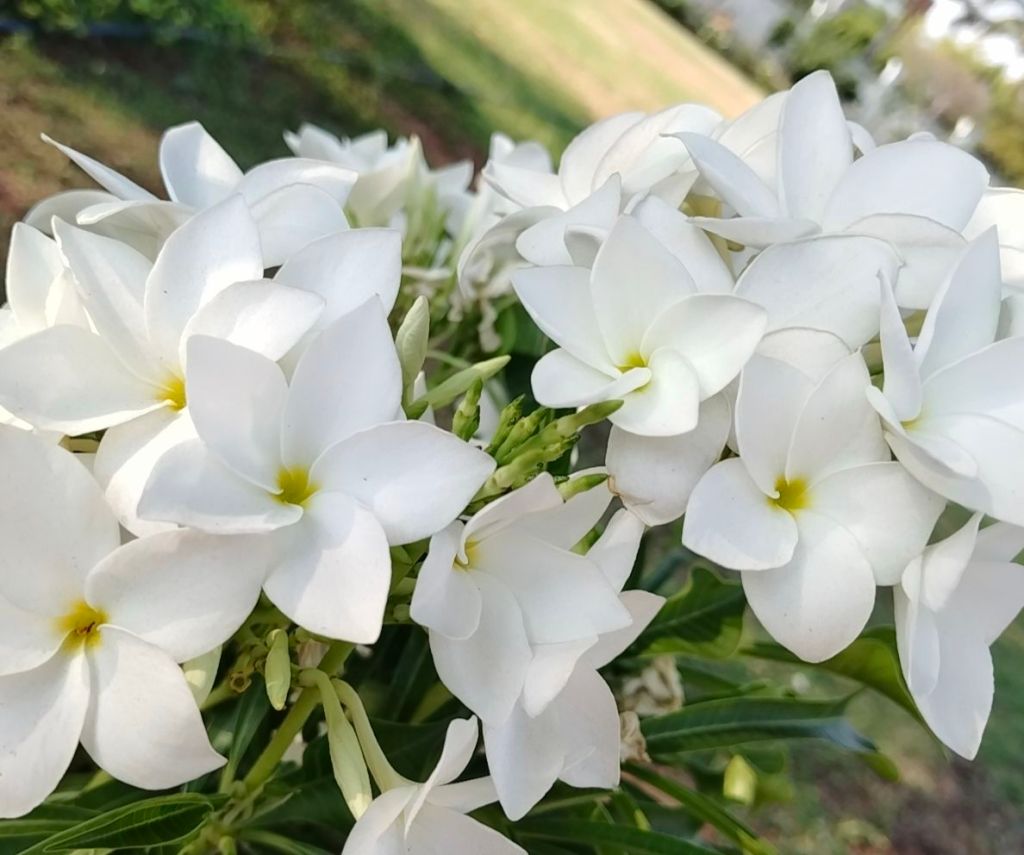
One life to live (Image credit: http://www.unsplash.com)

Only once
To cry into this world
Hear lullabies in mother’s lap;
Be amazed
With all there’s to behold;
Innocent, playful;
Crawling, toddling;
But just one spring;
That’s all there
To make a promise,
As it doesn’t stretch
Beyond its reach.

Only once
To defy
And rise to the sky;
To grow strong and fight:
Shine bright;
Still grow up
To bring new lives;
To give and receive
Your gift;
To love and care;
But just one summer.
To get anything rare
You must dare;
You must rise
To fulfill your promise.

In twilight,
Find bliss ;
Be wise
And advise;
Give as much
From life’s collections!
The last winter
Before the leaves fall;
Leave a mark
For the future
To remember.

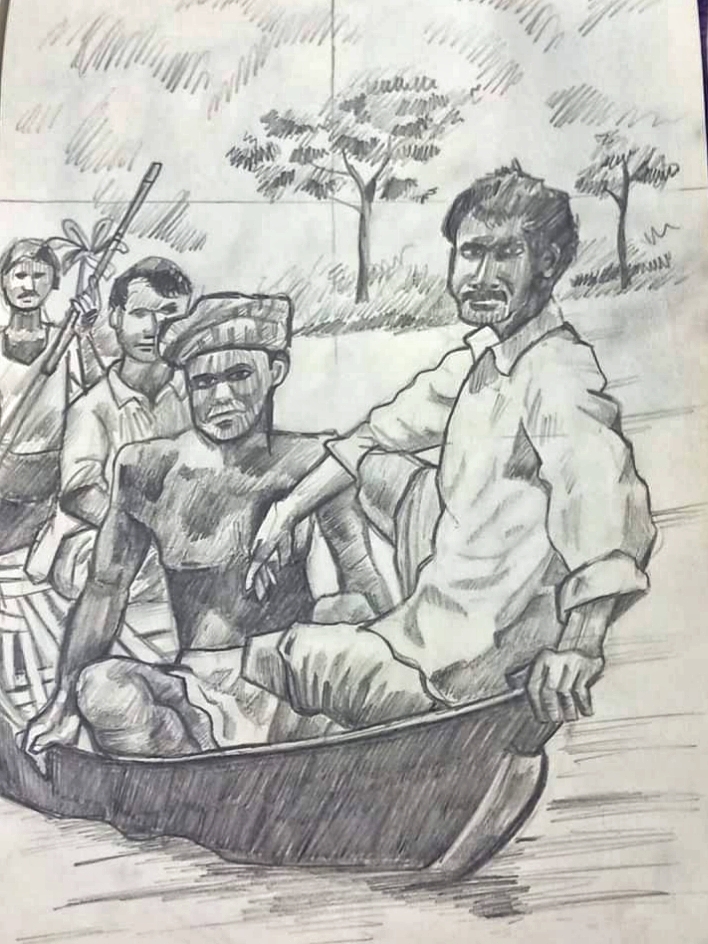
A boatman ferrying
One bank to another;
The river is there forever;
A farmer spends
All his life tilling;
The earth never stops giving.

Thus many waves,
Relentless and galore,
Hitting the shore,
And going their full course!
Yet many getting lost
In their prime;
In the quicksands
Of time.

Much to live for and love;
It’s now and here.
In a short while
By the wink of an eye
And there is nothing after;
Leave something for the future
To remember.

Morning Walks through BHEL Township

A cock welcomes the morning by crowing  while a crow starts cawing right from the wee hours of the day. And as the day dawns and the sunlight hits the tops of the trees, the entire bird community wake up, flutter their wings, fly from one branch to another and chirp endlessly till the evening. Dogs roam the streets and engage in mock fights with each other.

A human can do many things. But perhaps the best way to greet the magical new morning and start the day is to go for a walk. A walk in the morning presents us with a view of nature, of the rising sun and the comfort of empty streets free from traffic, crowd, noise and dust. I have been doing this for years and do it now even with greater energy and enthusiasm.

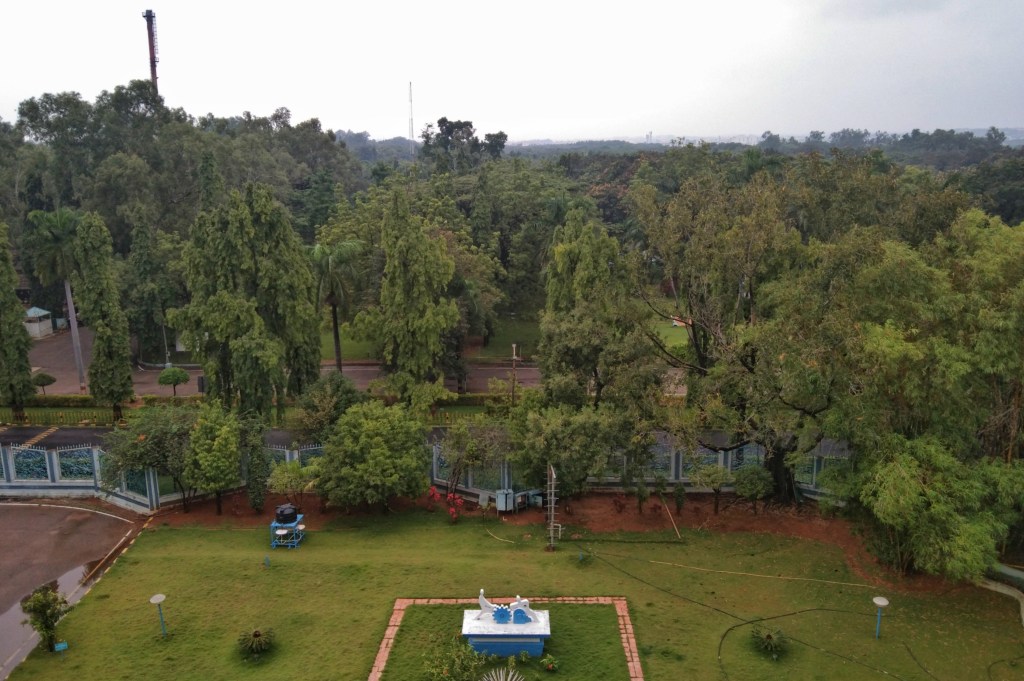
Thick canopy of green over BHEL Township

Ideally, morning walks need to be done in peaceful places like parks or streets under cover of trees. In today’s vertically growing cities or gated communities, walking spaces are  created by beautifying the streets with decorative plants, building parks, walking tracks or even skywalks on the terraces of multi-storey buildings – the architecture weaves walking spaces into all modern necessities of life.

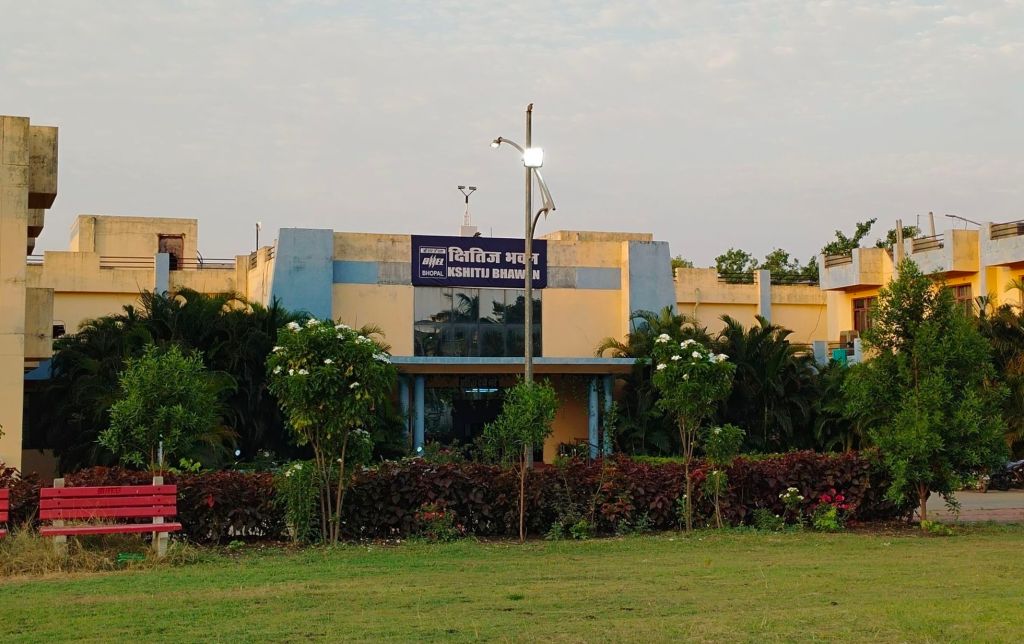
However, for me, the township of BHEL – the company that I work for – offers a wide network of streets, natural green cover, the touch and smell of earth and an atmosphere of serenity for a morning walk. The township was built about fifty years back, covering an area of 16 sq km.

The township has everything that you ask for – school, college, stadium, library, club, temple, mosque, gurudwara, market, park, forest and what not, apart from the manufacturing factory. It is here that I spent a long time of my career. I live outside it now but have made it a habit to walk through it twice or thrice a week in the mornings.

Walking track inside township

The most alluring thing for me is the urban forestry around the township. The area was once a rocky terrain of Deccan Plateau, mostly barren with patches of green lent by shrubs and Palmyra trees. Human beings can do wonderful things – the barren landscape has now been converted into urban forestry. When I joined the company, trees were being planted. Now it is a grown up forest with peacocks crying, birds chirping and insects buzzing all the time.

Main gate of the township is quite far from my residence. The forest surrounding the township is near my home; so it is easy for me to enter the township through the forest, which, apart from being convenient, puts me on nature trail every morning. There are pathways made by people walking or cycling through the space between trees.

Going through the woods, I see peacocks and peahens roam and break into a short flight to reach the branches of the trees. There were  birds of all kinds – mynas, doves, cuckoos, kingfishers, cranes, Ibis, parakeets, coucals, etc. Sometimes, I carry my camera and try to capture them through my lens. The insects that remain invisible keep buzzing all the time, making the sound ‘zhi-zhi-zhi…’ from the boughs or the branches of the trees.

Morning walk through the forest

The narrow pathways through the forest meet roads inside the township. One day I walked up to the inner edge of the jungle and into a road inside and chanced upon an old colleague of mine who was a regular morning walker. He was surprised to see me suddenly appear out of the woods.
‘Where are you coming from?’ he asked.
‘From the MIG housing colony,’ I answered.
‘Where is the way to MIG here?’ he laughed at me.
‘Yes, there’s a way.’
‘I’m living here for a long time. I don’t know and you know.’
‘Let me see,’ he said and went to find the way through which I came out. Finding a pathway, he said, ‘Oh, this is the way for you.’

Township presents a wide panorama of scenes – you can have a glimpse of rural India in a crane taking a free ride on the back of a buffalo or a pack of dogs chasing pigs, or in contrast, a snapshot of an industrializing country in machineries manufactured by the company being transported in lorries out of the factory. The township gives people living near it the space to go for a walk or a run. They come to the township early in the morning to exercise their bodies by walking or running. Their enthusiasm is contagious! They infuse me with energy to walk longer distance.

Peacocks of the township forest

In the middle of the township, there is a stadium and a walking track surrounding it. Men and women, conscious of their health and determined to remain in shape, are seen to enthusiastically walk down the track. Their gaits are a study in contrast – the rhythms in their hips, legs and feet have a certain grace and leave signatures of their varied genetic make-up.

I happen to meet known faces while walking on that track. They greet me with a short ‘hi’ or a smile and move along while some look the other way and pass by without acknowledging me as if I will stop them and engage in a long conversation, upsetting their rhythms.

Township is for employees who live in quarters – medium quadruplex houses  for four families. Each of them, I know, can tell their own tales of joy and sorrows, endeavours and aspirations and their service in BHEL.

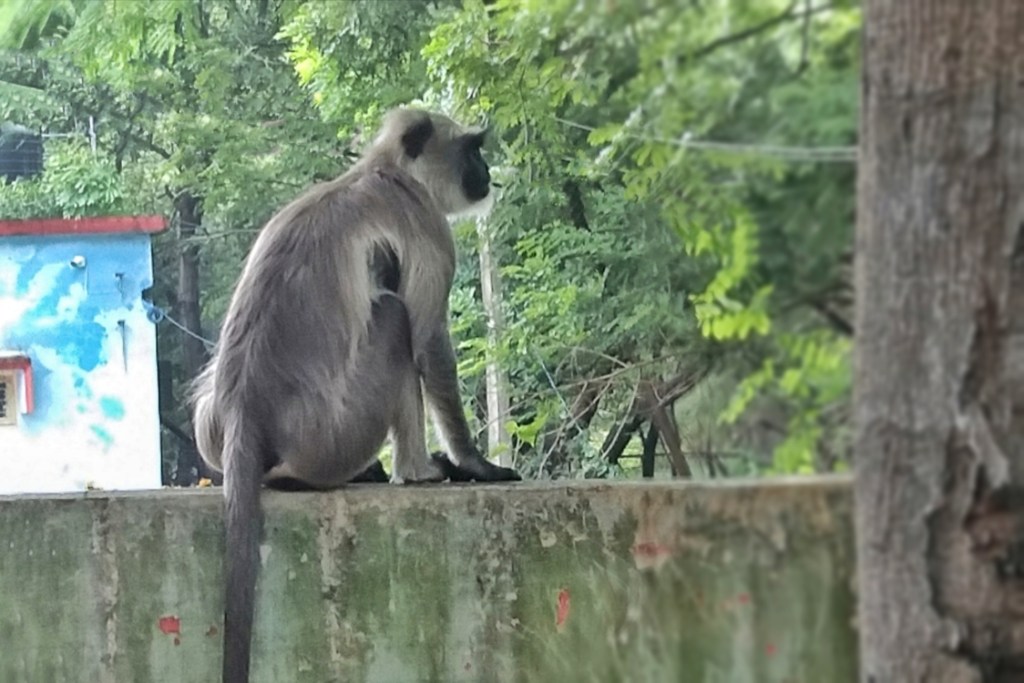
Township attracts visitors from the wild

Morning walks have been an integral part of life since my childhood. When I go on a trip to a hill station or any place to tourist attraction, I do it just for exploration. While exploring the nook and corners, I often hit the blind alleys. But on some occasions, to my surprise, I discovered hidden streams, tiny waterfalls or pastures of some kind.

On a daily basis though, BHEL township where I have spent a long time and of which I have seen enough holds an unending attraction for me. Entering it, I have an unmistakable feeling of coolness and freshness because the of trees and the shade they provide. This is just the kind of outing I need to do every morning to stay positive and energetic for the entire day.

Damn Things Often (Reflections)

“Life is just one damn thing after another.”
– Anonymous

The damn things could come to you, steady and slow like trickles from a leaky tap that irritate you for a while before you hurriedly get into the act and fix them. Or they could come like whirling, gushing torrents of a river and overwhelm you completely.

Hit by Damn Things (representative image, pc : http://www.unsplash.com)

They could be as benign as a viral fever that earns you rest and sympathy from your dear ones for a few days or as dreadful as coronavirus infection that has, alas, taken so many lives! If you manage to survive, you need to move heaven and earth to prevent a recurrence – you have to build embankments or develop vaccines requiring painstaking efforts for years.

You cannot simply swat them like a fly nor can you save yourself the troubles  completely even if you were to settle down in the heights of the divine Himalayas and live the life of a hermit away from the din and bustle of daily struggles down in the plains. You can only pray that they are within your manageable limits.

The Earth supports life. But water and atmosphere that form the biosphere and have made such abundance of life possible on the planet can also stir themselves into violent storms, cyclones, cloudbursts and many other calamities, causing great miseries for all beings. Gravity that keeps us on the ground can also pull us from the top and can injure and even kill us.

The laws of universe do not change to suit our safety and well-being. We also share our space with many invisible organisms such as virus and bacteria which can get into our bodies and cause havoc to our health and immune system. Then as if these were not enough, human beings damage each other either by design or by accident.

The reasons for damn things are endless and this article is an attempt to capture only a few aspects of them in definite form.

Thankfully, you can prevent some of them by being careful and cautious. In everyday life, a lot of time is spent in keeping things in order so that accidents do not occur. A glass can fall because of gravity and break; therefore, keep it safe so that it does fall.

Nature’s Healing (representative image, PC: http://www.unsplash.com)

And if we look at the history of evolution of man, most significant preventive actions have already been taken by our predecessors. Humans have moved away from nature and built civilizations, which not only protect us from the dangers but also supplies us with everything to lead a life of dignity and comfort.

Again some of the damn happenings are quite predictable like the daily complaints of a nagging spouse or office boss and you have already a standard predetermined response to them. Let us say your car has developed a technical snag because of wear and tear of a part. You immediately take your car to a service centre and get the part replaced. For any damages, you claim insurance which  you have bought along with your car as a response to those uncertainties.

If you are sick, you see a doctor for treatment. The unending problems just keep nagging you and you have to deal with them like a good test batsman plays spin, googly, swing and remain not out till the end of the innings. And with lessons learnt in life, your skills can only improve.

But as life keeps throwing curveballs at you, unfortunately, you will be badly bruised and battered sometimes and will be at your wits’ end as to how to respond. And most surprisingly, they will quite often come all at once rather than one after another, making it more difficult to manage. You have no choice but to respond or else you will be incapacitated.

To put things back in rail, the response has to ideally be as robust as the challenge is or even stronger. World’s coronavirus response had to be bigger than the pandemic itself and that is how it could be contained.

Damn things may be self-inflicted or accidental or caused by others intentionally or unknowingly. In real life though, heroism is not so much about finding someone responsible for it and going dashing and smashing against them as it is about healing your wounds, lifting yourself up again and living a life of purpose perhaps even greater than before.

Springing Back to Life (representative image, PC: http://www.unsplash.com)

Remarkable human stories of courage and resilience are made when people overcome the challenges as many do not survive the crippling blow served by undesirable happenings. After a traumatic experience, when someone fights back to life, their stories become truly life-affirming and examples for others to follow in times of crisis.

One heartening aspect about it is that  there is support all around us. A doctor prescribes medicine, the raw materials for which come from the Earth. In a wider sense, the universe that gifts us those damn things is also the source of ideas, knowledge and wisdom for dealing with them and is ever ready to guide us.

The natural immunity the universe has built in us have prevented so many ailments which we will never come to know. Many wounds, mental or physical, heal on their own over time without us taking great care of them. The universe by its very nature is self-healing. It provides us with a robust support system and prompts us to take affirmative action in response to the negative happenings in life.

Besides all these, we have our aspirations to achieve, which throw their own unique challenges. We have our dreams to realise and promises to keep and a few hills to climb, if not peaks. Our individual journeys are as smooth or as rough as they can be.

But damn things can upset our plan, so uncertainties have to be factored in; caution has to exercised; and most importantly, we have to build our strength bit by bit to be able to adequately respond to them. And we have to surrender ourselves to the guidance of the universe for the rest or a large part of our response.

Mango Mania

The king is back! Nature’s continued munificence despite our unfriendly acts towards her is quite reassuring! The fruits are in such a plentiful supply – they are to be seen in the market, by the side of roads or on the trucks being transported. It is a time for me to celebrate! For the next three months, the treat to my palate and taste buds is guaranteed!

Green Mangoes hanging from branches (pic credit: http://www.pixabay.com)

My relationship with mangoes started right from the days of my childhood. We had about ten mango trees around our home in a village in the northern part of West Bengal. I saw the trees blossom, the blossoms grow into green mangoes and then the fruits hang from all the branches. The blossoms were the first promise of a harvest.

But sadly, the storms at the beginning of the season would blow away half of them or make the small fruits that had just begun to grow fall to the ground. It was fun for me as a kid to collect those windfalls from the ground – the small mangoes that fell before fulfilling their promise.

But the fruits that remained would grow in a month into mature mangoes. Those green mangoes that were sour and tangy made our mouths water at the prospect of a bite. The boys or girls who were good at climbing trees would climb up to the branches, pluck the fruits, collect them in a bag and climb down. Or someone would take a pole with a forked end at the top, entangle the branches and shake them. A few twigs would invariably snap and fall to the ground and along with them some mangoes.

Cutting the fruits into slices and mixing it with chilli, salt and mustard oil and biting them, one would satisfy the taste buds craving for a taste of sour. Or better one can make chutney, which is such a wonderful delicacy after main course of the meals.

A month later, mangoes that survived the storm and greed would ripen and fall on their own in a windy night. Lest our neighbours have them in the next morning, my mother and I used to collect the windfall in the midnight itself. Some of them might not have ripened fully. My mother used to keep the green mangoes under the warmth of rice so that they ripen fast in the heat of summer.

In daytime, some of us would simply climb the tree and just shake the branches to make the ripe mangoes fall one after another – sometimes on our heads as we stood expectantly underneath. Some mangoes on the top of the trees would remain out of reach for us but well within the reach of the crows, bats and all other birds. Sometimes those ripe mangoes would be eaten by bats, crows and other birds and fall to the ground half-eaten.

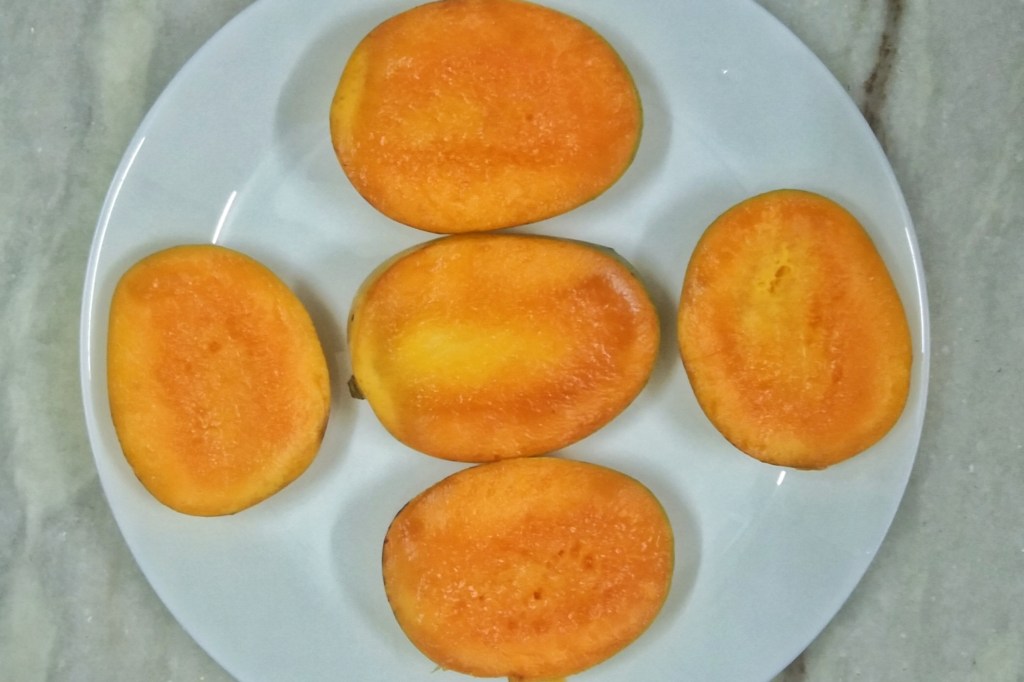
Cut Mango ready to be feasted on

The mango saplings would grow naturally in my place where the seed would germinate under the ground. We would rub a side of those seeds and open them up. Then blowing air into the opening, we made the seeds whistle tunefully.

Coming back to the present, the mangoes are available in so many mind-boggling varieties – in so many sizes, shapes and colours. The sizes can be small or medium or big; taste can be sweet or sour even when ripe; and pulp can fibrous or fleshy. Commercial varieties like Langra or Alphonso are grown in orchards in huge quantities and marketed.

In South India where I live now, we have Bigonpilli, Mallika and many more! The climate and soil have a special impact on the growth. The seeds might be sown any where but they would not quite give the taste of the original.

Mangoes are a gift of nature and a part of our rich cultural heritage. The story of feast and joy with mangoes is related to us by our grandparents and it will be told and retold as life goes on and moves from one generation to another. But there is a difference perhaps. Our grandparents told us how they planted those trees, saw them grow and finally bear fruit. The satisfaction they drew from sowing the seeds and later enjoying the fruits after many years cannot be matched simply by the relish we have by consuming them.

With more urbanization and population growth, there is less space for having a sprawling homestead with trees, ponds and gardens around. But mango trees are grown by the roads and in orchards and there is more than enough production of fruits every year. And equally phenomenal is the consumption. Let the mania continue for centuries to come.

Remembering Two Mothers

My mother and mother-in-law have both left this world. When they were alive, they took great care of the family, home and the people around them. The simplicity of their lives, extraordinary courage, spirit of service and sacrifice humble me and keep me always down to earth. They were in some ways similar and some ways very different from each other.

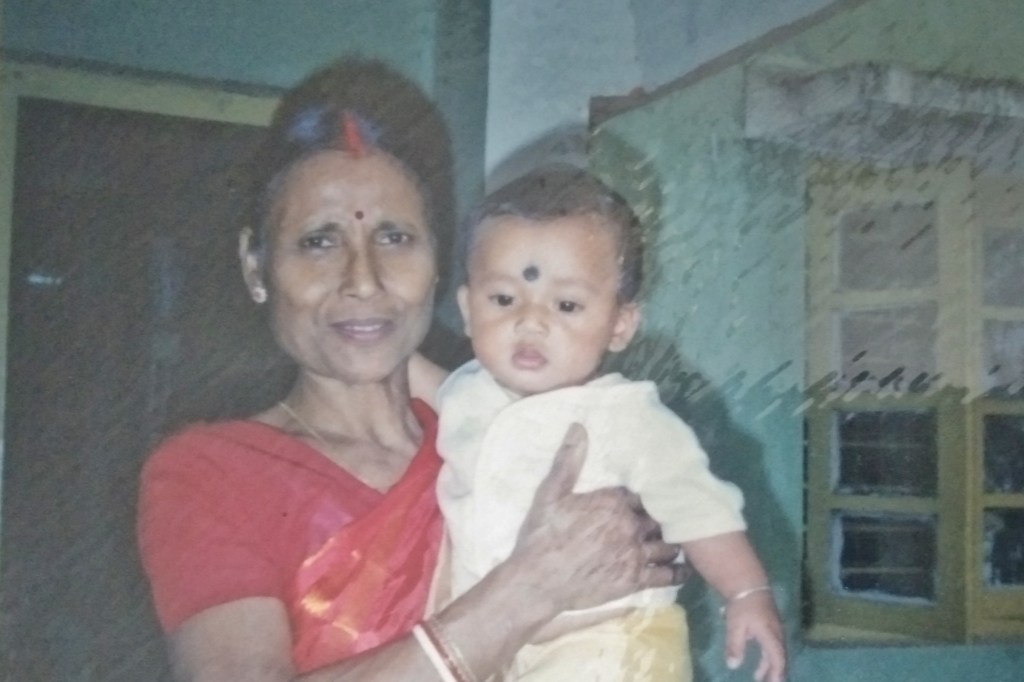
My mother, Ranjita Ray, with grandson

Born in villages, they grew up in a way of life that has to deal with on a daily basis people, agricultural produce, village gods, livestock and nature. My mother’s birthplace is Shakhariyapara in Coochbehar district of West Bengal – a hamlet with families living closely together with agricultural lands producing crops, ponds abundant with fish, and milch cows and buffaloes giving bucketful of milk. Simplicity is naturally bred in people who live with small ambition of growing crops sufficient to feed the family throughout the year, of building a house that would withstand the vagaries of weather and of educating children for finding a job. My mother bragged about fish and milk that she had enough of in her childhood.

My mother-in-law was born in Goalpara district of Assam. I visited the place only twice. It is a prosperous village in the floodplains of river, Brahmaputra, where people have abundance of agricultural produce and are culturally inclined towards song and dance.

After marriage, my mother moved to another village and my mother-in-law to the district town of Jalpaiguri.

My mother was a perfect homemaker. She kept our home and the surroundings absolutely clean. She would not allow fallen leaves to lie on the ground or dust to gather in furnitures, utensils or the floors of the house. With a broom, she would keep sweeping them away from time to time. She was well versed in puja (offering) to village gods and celebrations of religious festivals, harvesting season and all that. The rituals needed special knowledge and skills for which my mother was sought after by womenfolk in the village.

My mother taught me ABCD and taught me to be simple and honest. She took great care of me whenever I fell ill, nursing me waking sometimes the whole night. She brought up her two children – my elder sister and I – in this manner.

Mother-in-law, Purnaprava Barman, with grandchildren

My mother-in-law was a progressive woman who pursued her studies on law and her passions even after marriage. She later joined politics and fought many electoral battles and served people as municipal commissioner. She was also a matchmaker who took great interest in finding matches for marriageable boys and girls.

A trait shared in common by my mother and mother-in-law was, however, their penchant for inviting people for lunch or dinner.
Mother-in-law could make some very special cuisines and she would rustle up something for guests as soon as they arrived. Another trait of them was their expertise in home remedies for fever, cough and other ailments.

My mother-in-law was interested in literature and wrote poems in Bengali and Assamese and got them published. It is in this aspect that I had a special bond with her.

The lives of both mothers were lessons in service and humility. Their selfless service to family and all people connected with their lives without personal ambitions humble me. I have built my home in a big city. Here ambition, selfishness, greed, loads of aspirations and race for success suppress happiness, naturalness and simplicity of life. People do not have time to think about others. When I get swayed by ambition and greed, I take comfort from the fact that there is also a way to live devoid of all this and live a fulfilling life. The path shown by two mothers!

Durgapuja – A Celebration of Creativity

Durgapuja, the grand festival of Bengal, is around the corner. It is a yearly event, but the build-up of excitement starts not just a few days before the festivities but right after the end of previous year’s celebration, culminating in the four days of puja. The event has a few parallels in the world. Recently ‘Durga Puja in Kolkata’ has found place in UNESCO’s Representative List of the Intangible Cultural Heritage of Humanity.

Durgapuja at my hometown, Maynaguri

I have very fond memories of new dress, pandal hopping and special food especially in my childhood which is the best time to enjoy any celebration. But what makes me marvel at is the enormity of creative energy that is unlocked by the celebration.

Firstly, the clay idol of the goddess Durga itself is made by idol makers with such dexterity, making it always look different from their old work or those of others. Then the pandals are decorated with colourful clothes, but often artists come up with innovative ideas and spring surprises by using materials such as jute, waste bottles, glass, paper and wood. They also base them maybe on themes such as current events, history and environment, to carry important message to the people.

The streets are festooned with lights with special patterns, creating a delightful panorama for the visitors as they push their way through the crowd up to the pandals. The competition between clubs that organize the mass celebration only improves the quality year after year as they try to outdo each other in grabbing attention of the public and having footfalls at their venues.

Publishers bring out special editions of magazines with more stories, novels and poems. The writers seem to save their best writings for the puja editions when they can reach the maximum readers and audience. The Bengalis are avid readers and make their budget for buying the puja editions.

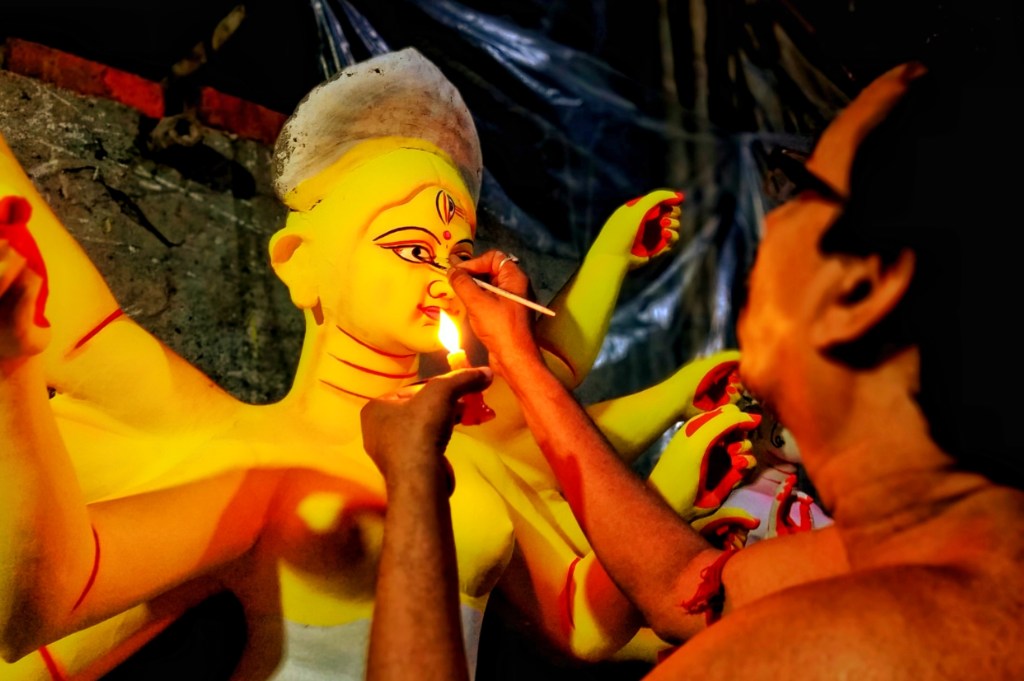
Artist giving final touch to Durga idol (image courtesy:. http://www.unsplash.com

Similarly music is composed especially keeping in mind the celebrations and albums are released as music lovers eagerly look forward to them throughout the year. I relish the new stories and music at this time year after year.

Another aspect of it is adda (Bengali equivalent of long conversation by a group). The unadulterated adda goes on before, during and even after puja at homes and pandals, and Bengalis engage in conversation with near and dear ones about life, culture, achievements and their joys and sorrows. People who live away from family for livelihood return home to take part in the celebrations.

I am not a good conversationalist, but I do take part in the adda for exchange of notes, fun and also for reconnecting with friends and relatives whom I might be meeting perhaps after a long time.

Durgapuja is close to the hearts of the Bengalis. It is a time for renewal, a time to soak in the festivities greatly enriched by a huge amount of painstaking creative work. Autumn, the season, gives nature a facelift during the puja. The flowers that bloom and the dew on the grass and the clear blue sky are the signatures of the season. Together they act as the perfect foil for the colourful celebration of Durgapuja.

Good Times in Life (Musings)

I have spent over half of my life. Age is not only a taker but also a giver. It takes away our vitality but leaves us with the gift of experiences and realizations that only mature as years pass by.

The journey of life is our own but is made together with family, friends, relatives and colleagues. We seek happiness, joy and satisfaction in our personal, social and professional lives, but good times when life seems to sway with particular rhyme and rhythm come occasionally and are short lived.

Good Times – representative image (Image Credit: http://www.unsplash.com)

The phase of life we are in has a role in the making of these good times. We cannot remember the period of our infancy. However, our childhood and school and college life are the times when friendship happens effortlessly, and games, fun, frolic and entertainment that follow make them so enjoyable and exciting. Our natural curiosity at that age gives us a sense of discovery as we learn things and know the world we live in. 

After college life, it is quite a struggle to establish ourselves in life. We are lone rangers in looking for jobs or other livelihood to satisfy our needs. The struggle makes us face some harsh realities not experienced in student life.

Then when we become parents, growing children fill our lives with unbound joy and happiness. A family perhaps spends its best time when all three generations –  the grandparents, parents and children – are around.

In professional spheres, teamwork yields salutary outcome, when team gains its rhyme and rhythm in the way of working. Like in orchestra where all instruments have to be in sync to create music, team members have to work with clear understanding of their roles and coordination to produce outstanding results. But such times when a team is built that works in perfect harmony and delivers best results may be rare.

A nation also has its share of good times in its long life. In India, remarkable progress was made in nation building and outstanding work was done in literature, art, science, music, cinema before and after independence. People with talent were born in that period and they produced work that had a long lasting impact on the economic, social and cultural lives of the people of India. Even with technology available now, we are not able to touch the height they reached without much resources at that time.

Good times do come and go, and we need to have the patience to wait for them. But when they come, we need to make the most of them. They leave great dividends and also memories which give us the mileage to move on with the rest of our lives.

Hill Stations I Visited

Nature beckons us, and for me, it is the mountains that have held an irresistible charm since my childhood. I was born and brought up in the Dooars region of West Bengal which is the door or the entry to the North Eastern part of India. The Himalayas are to the north of Dooars, and on a morning of clear blue sky, one can see the mountains standing silhouetted far away in the horizon, stretching from the east to the west. When capped with snow, the peaks look resplendent in the morning sunshine.

Darjeeling (Image Credit : http://www.unsplash.com)

My father was posted in the hill stations of Kalimpong for some time and then Karseung and Darjeeling in those years. I could not really imagine how and where those hill stations were nestling at that high altitude of those mountains.

So I had discovery of sorts when my father took my mother, sister and me on a trip to Darjeeling. I have vivid memories of that trip. From Silliguri the journey to Darjeeling by bus is through curvy roads, sharp bends, U-turns by the flank of the hills. The dizzy heights of the hills filled me with wonder and consternation. Sitting in the bus though, I had wonderful view of tea gardens and forest of eucalyptus, deodar and pines in the slopes of the hills.

It was in a winter of biting cold that we went to Darjeeling, carrying a luggage of warm garments – sweaters, woollen caps, etc. We put up in a house where my father stayed along with his colleagues. I told them that I would one day build my house there by carving the hills. We had a great fun with uncles who were greatly amused by this ambition of mine.

Nainital (Image Credit : http://www.unsplash.com)

Afterwards, I made trips to other hill stations like Nainital and Ranikhet of Uttaranchal. The quaint lakes – Naini tal, Bhim tal, Saat tal, Naukuchia tal – at Nainital surprised me by their very existence at the high altitude of the mountains. Then there was that grassland at Ranikhet, which is ideal for film shoot and I watched dances of heroes and heroines in many popular Hindi movies shot in that location.

Every hill station has a history. Many of them were developed by the British who had retreat in the comfort of pleasant weather and scenic beauty of the hills. Many Englishmen made these hills their homes and stayed on even after the British left India.

My favourite writer, Ruskin Bond, lives in the hills. His writing familiarises me with life in the hills and with people, animals, birds and trees especially at Dehradun and Musoorie. No other writer explored life in the hills better than Ruskin. Rusty and his characters’ hill adventures are a great read for the kids. The scenic beauty, sound and light and people’s lives in the hills are nowhere else so prominent as they are in his stories and novels.

At Ooty

Ooty and Kodaikanal are the two great hill stations in South India that I had been to. The pine forests, lakes, tea gardens and flowers such as rhododendron are great attractions in these hill stations. As I walked by the sides of the lakes, clouds came and engulfed me on all sides. I am yet to experience snowfall for which I have to schedule my visit perfectly.

I spent a few days at Shillong and then Cherrapunjee – the place that receives highest rainfall on earth. The waterfalls in Cherrapunjee that look like white chiffon offer a great view for which tourists throng these places.

Hill stations are the places that restless souls visit for peace and calm. The enormity, stillness and scenic beauty have a quality in themselves that instills sanity and peace into our minds. It provides much needed healing to the wounded souls. Though I have no such need, the trips to the hills have a lasting calming effect on me and I feel like being a permanent resident of the hills so that I can enjoy nature all the time rather than have a slice of it as a tourist.

Musical Evenings

One of the most important ingredients of the evenings in my life has been music. In my boyhood, when I used to return home after playing football in the afternoon, my elder sisters in the village would be rehearsing musical notes ‘Sa Re Ga Ma…’ or some songs like prayers, Rabindrasangeet (Rabindranath Tagore’s songs) etc.

I would walk back home, tired and hungry, listening to the lovely music – the next activity in my routine being a few hours of studies. The brief musical interludes then energized me to read for two or three hours before going to bed.

Representative Image (PC : Pixabay)

Flute is one thing village boys are good at playing. So quite often flute music would come wafting from a distance through the darkness in the evenings. The melancholy tunes of the flute filled my mind with both joy and sorrow. The silence in the evening was the perfect foil for the music to travel and reach a large audience. As painting requires a canvas so does music need silence to be heard in its purest form.

I also hear birdsong before sunset. Birds also perhaps sense that evening is the best time to warble and send their music into the air. Notes sung by one are picked up by the others in the vicinity who replay the same and thus they continue their musical conversations for some time.

Music is abundant in nature, birds being just one of their best exponents. In the rainy seasons, the swish of the rains, wind coming in gusts and rustle of leaves together create a music that has a particular rhyme and rhythm.

Besides, it is again music in which human creativity is at its best and is endless. I studied in a residential college. The alleys of college campus very often resonated with evergreen  Kishore Kumar songs, ‘Pal pal dil ke paas’, ‘Aanewala pal janewala hai’, etc.  that blared from the college hostels in the evenings. Those songs brought a spring in our steps as we moved inside the campus.

I used to enjoy songs differently though. Doors shut and lights switched off, lying on bed, I switched on my radio at the time of scheduled musical programmes and listened to the songs telecast by the radio centre. And before exams, when I had to stay up and study till midnight,  music helped me reset my mind for long hours of studies.

After I moved to Hyderabad for my job, the evenings are even more musical with community programmes and musical concerts happening every now and then. I hear great singers singing Hindi playback, ghazal, khayal, classical, etc. I marvel at the talent of the lyricists, composers, singers and instrumentalists who put together all the elements to produce great music.

The lyrics carry a wide variety of emotions. A song that is rich in lyrics can be inspirational and can make great impact on our minds. Songs with good lyrics and melody touch a chord and soothe my mind. Rabindrasangeet carries deep emotions and makes a great impact on one’s mind.

The vagaries of life make us pass through never ending twists and turns that make us both laugh and cry. I have at least one thing to fall back on in all circumstances – musical evenings

Cycling in A Park

Yesterday I went cycling to Pala Pita Park at Gachibowli, Hyderabad, which has been developed exclusively for bicycle rides. A park for cycling has two admirable aspects about it – firstly, the park itself that offers lung space and a pleasing sight to our eyes, and secondly, the cycling that exercises our muscles and refreshes our mind and spirit.

Inside Pala Pitta Park

Pala Pita Park has both of them in equal measure. Cycling tracks wind their way through trees and bushes, and seem to take us deep into the unknown. The long paths without any traffic and the excitement of the fellow riders inspire one to keep on pedalling till the time it is dark and the park authorities blow whistle for visitors to leave the park. By that time, the body gets exercised, and mind become de-stressed.

Bicycles are available on rent from the park office. I hired one of them and went for the ride. The tracks are undulating as usual for the terrains of the Deccan Plateau, making the ride more enjoyable. While riding, I could hear the birds chirping in the trees and see peacocks roaming around the open spaces of the park. I stopped at the turnings and took a few clicks on my mobile camera.

Then the ride also reminded me of the days in my boyhood when my legs would be itching to go cycling every afternoon. I was born and brought up in a village in Jalpaiguri district of West Bengal. I would cycle along the village paths bifurcating the agricultural fields and the road that connects my village to the National Highway. I went from one end of the road to the other and did the same over and over till the time the Sun was setting and it was time to return home. But I never really felt tired of cycling.

In those good old days, there were not so many bikes and cars as we see in the streets nowadays. Very few could afford expensive vehicles and people mostly used bicycles. And there were two or three brands of bicycles – Hero, Hercules and Raleigh. The design was just plain and simple with straight cross bar and the handle bent inward. People used bicycles for going to office or market, making short trips and carrying goods. My private tutor used to ride to our home on a bicycle. The tinkle of bells indicated to me that he arrived.

Inside Pala Pitta Park

Nowadays newspapermen, milkmen and postmen still use bicycles as they ferry newspapers and milk packets or deliver letters to people’s houses. It is convenient for them to move through the narrow paths and alleys, and to mount, ride and then dismount within short distances. But with economic progress, people now have bikes and cars. The streets are owned by cars and bicycles are very rare in the roads in cities or even villages. If one wants to cycle for nothing but just exercise, they have to use the extreme side of the road, intimidated by the large vehicles.

The saving grace is that people today are health conscious and have taken to regular exercises in a big way. While bicycles are not used much for commuting or going to market, youths or even middle-aged people can be seen setting off early in the morning or late in the afternoon on the less crowded roads, wearing helmets and they ride long distances for pleasure and exercise. What was a necessity once for day-to-day activities now has to be nurtured as a passion for exercise.

As for myself, I still enjoy cycling but not amidst the din and bustle of the city’s roads. Ideally, I would love to cycle on a village path or a park like Pala Pitta undisturbed by the noise of traffic or the fear of being hit by a bike or a car. For me, it is as enjoyable as boating in a lake or swimming in a pool.