
A tour of Hyderabad takes hardly a few hours but can give one a heady feeling of having a purportedly long travel in time! The city’s old and new landmarks are so vividly representative of its past and present that one would be deeply engrossed in studying them during their visits. While the ruins of Golconda Fort and the Charminar would transport one 433 years back to the city’s origin and the days of the Sultans, the multinational IT company offices, multiplexes and skyscrapers would return them to its present, also giving a glimpse of its future.
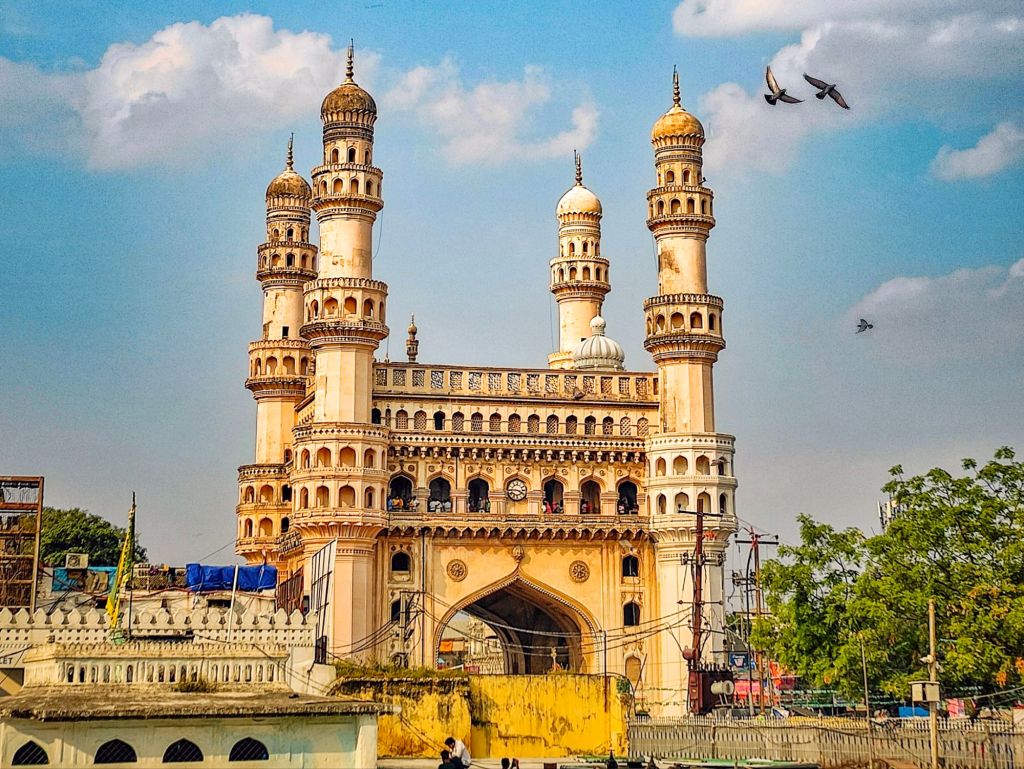
Indeed Hyderabad has travelled a long history since its beginning in 1591 and is today a rare combination of heritage and modernity. The city has seen the rise and fall of the Sultans, the Nizams and the present day rulers, but nevertheless it has continued to have their patronage and grow.
It was in 1996 that I came to the city to join a manufacturing company as an engineer. Before that, Hyderabad meant to me Biryani, the Charminar, Telugu cinema and Mohammed Azharuddin, who was then the captain of Indian cricket team. Food, heritage, cricket and cinema still define the city, but it has since outgrown its old identity and added new feathers to its crown. Huge investments in IT, pharma, infrastructure, health and real estate have delivered an incredibly fast growth for the city and made it a destination for education, health care and economic opportunities.
I have a fond remembrance of the city that was 25 years ago. Nostalgia is a strange feeling of yearning for return to good old times. People wax eloquent about the days of their childhood and youth – about their early experiences with worldly pleasures, friendship and heroics, unburdened by the responsibilities of life. The world changes for the better or the worse, but the bygone time retains its charm and old memories inspire enthusiastic story-telling.
Hyderabad was established on the eastern bank of the river, Musi, in 1591; the area is now known as the old city. The city expanded to the other side of the river and Secunderabad was established close to Hyderabad in 1806 as the cantonment area for the British. 25 years ago, the old city and the part of Hyderabad and Secunderabad with the state’s administration, shopping centres, stadiums, railway stations and airport were what we called the city. The satellite towns such as Kukatpalli, Lingampalli and Patancheru were part of greater Hyderabad but not contiguous to it, separated by barren lands, lakes or bushes on both sides of the road.
I settled at my office township at Lingampalli from where going to the city was a bus ride of forty-five minutes. A trip to the city for shopping, watching movies, having lunch or attending a function was a sort of an event to plan for, celebrate and then discuss with friends. There are go-to places such as Paradise Restaurant, Lifestyle, Shoppers Stop, Shopping Centres at Koti and Sangeeta Theatre. Now those needs can be fulfilled at Lingampalli and nearby towns, and except for special purposes, there is no need to go to the city, wading through traffic and getting stuck in traffic jams.
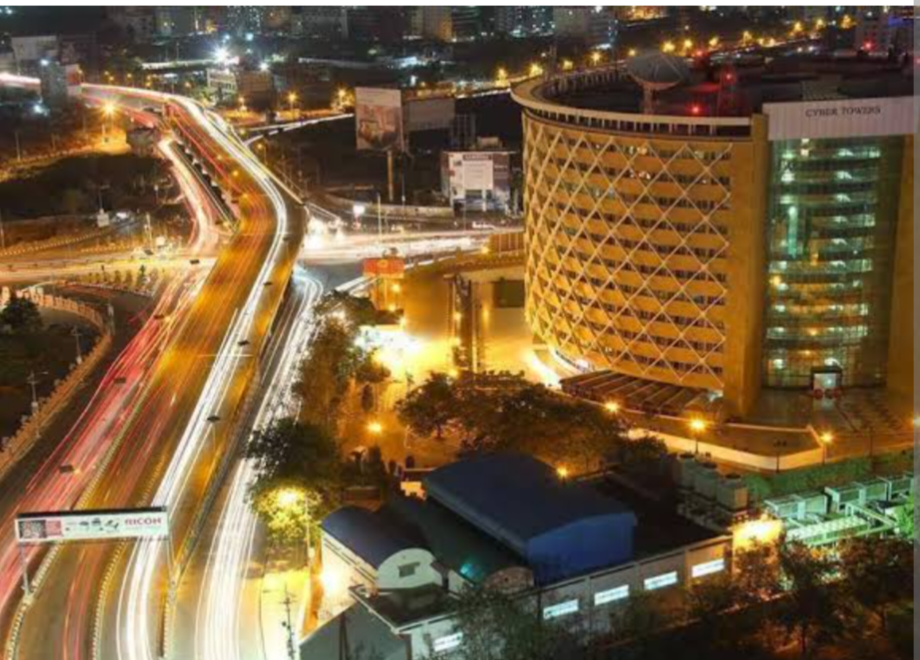
Information Technology was just beginning to flourish in the late nineties and the then Chief Minister Chandrababu Naidu was showcasing Hyderabad as a destination for investment in IT industry. Cyber tower at Jubilee Hills was the first building for IT company offices at Hi-tech city, which has gained an iconic status now. Investments gained momentum quite fast with IT, pharma, bio-tech industries setting up offices at Hyderabad. World class infrastructure such as Metro Rail, Outer Ring Road, a new airport and a new Cricket Stadium have been built and the city has got an Indian Institute of Technology. India has experienced phenomenal economic growth in the last two decades and there is development more or less everywhere but Hyderabad has taken greater advantage of it than many other cities.
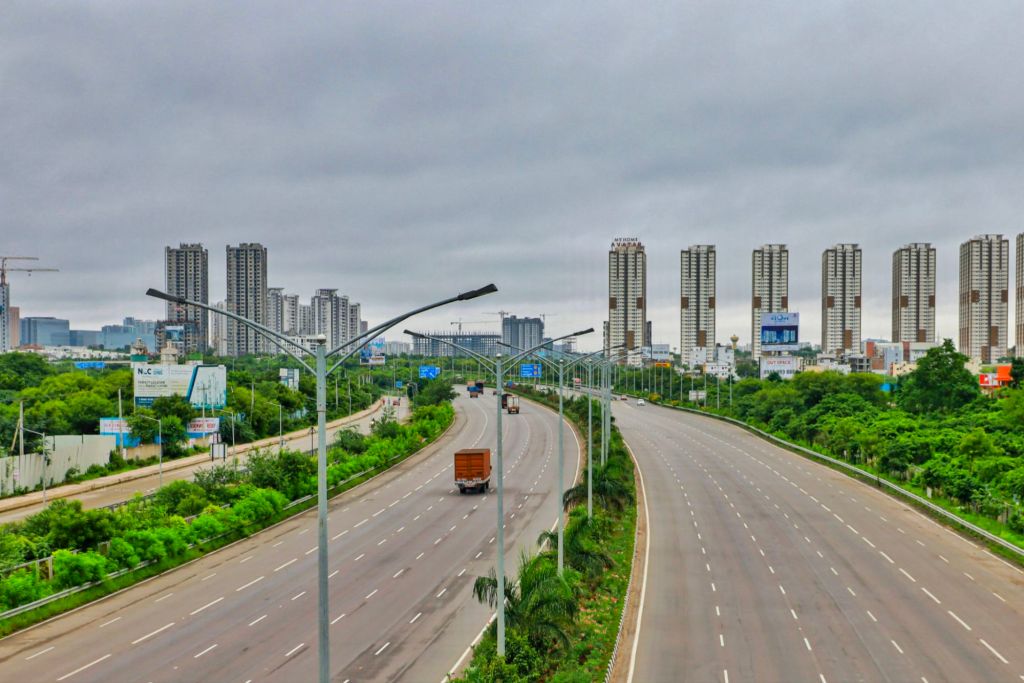
As a common man, I was in awe of what was happening around. Twice or thrice every six months, whenever I drove down to downtown Hyderabad, I would see pits dug up for new buildings there. In another six months, when I went through that location again, a new apartment or shopping mall would be standing there above my head. Thus, the spaces between downtown Hyderabad and satellite towns like Lingampalli have been filled and the city now stretches seamlessly to Lingampalli and beyond with shops and residences on both sides of the road.
Single lane roads have been widened and converted to double lane and new flyovers have come up to reduce traffic jam. It is now difficult to drive to the other lane of a road with a long way to go for a U – turn and one has to be cautious about taking the right route or right flyover as a mistake would punish you severely by taking you a long distance before coming back to the right track. The lakes have been encroached upon and reduced in size to make way for new housing projects.
Development has also penetrated into villages like Gopan Palli where I used to go for a drive in the countryside. 20 or 25 years ago, one or two apartments tried to come up but failed perhaps because they had no takers. Their abandoned look convinced me that this part would not see development in the next hundred years. Oh my God! An apartment named Aparna Sarovar came up first and then new buildings, hospitals and shopping malls have sprouted up altogether like mushrooms and the place where no souls could be seen after sunset are now abuzz day and night with traffic and crowd.
A few kilometres away, entrepreneur Ramoji Rao developed a film city in the nineties, which is now the largest film studio in the world.
In a globalized world, however, there is homogeneity in development and looking at the architecture of office or residential buildings and complexes, I cannot differentiate between the modern part of Hyderabad and any other cities like Kolkata, New Delhi or Bengaluru. But old Hyderabad continues to exist in its heritage, in the giant old rocks which have been standing there since the age of dinosaurs and in the simplicity of its people.
Modern cities are vehicles for fulfilling people’s dreams of being successful in education, jobs, business and having better quality of life, and their importance is judged by the opportunities they create in economic, educational, cultural, health care and other spheres. In these terms, the facilities created in Hyderabad in the last two decades will give it mileage for a long time to come. But unplanned development often leads to problems such as traffic jams, pollution, shortage of water supply and flooding during rains. The city’s planners need to keep these aspects in mind while further developing and managing the city.
 Trickles of Tales